
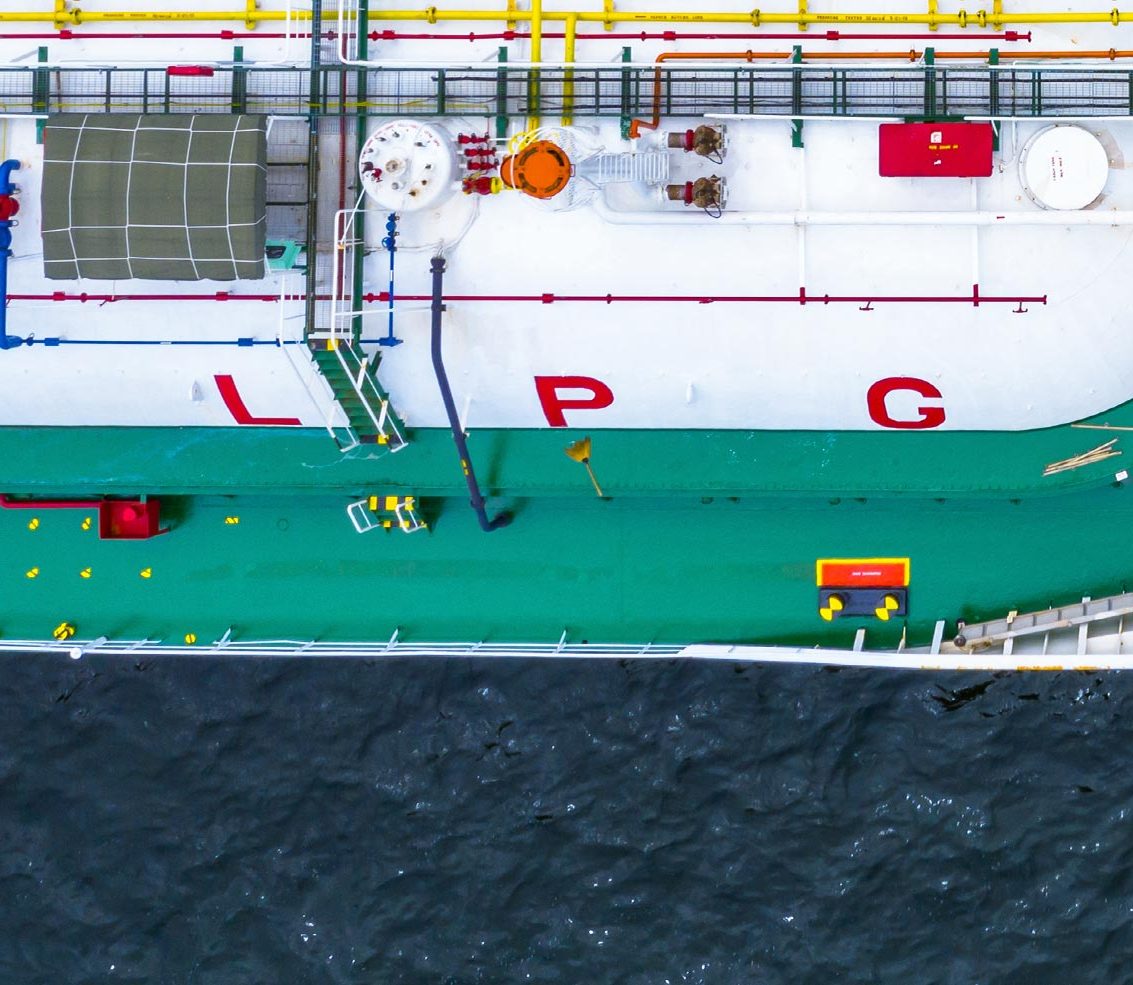
Liquefied petroleum gas — propane, butane, and their mixes — is one of the most versatile energy commodities traded today: a petrochemical feedstock, a heating fuel, and a transport fuel. SARV Trading Group supplies LPG to industrial buyers in China, where petrochemical demand has made the country the world’s largest LPG importer.
Propane, Butane, and Mixes
Propane is the premium petrochemical feedstock, converted to propylene in PDH (propane dehydrogenation) plants for polypropylene production. Butane serves heating markets and petrochemical applications, while propane/butane mixes are tailored to seasonal heating demand and autogas specifications. SARV supplies all three, matched to the buyer’s end use.
The PDH Market
China has built the world’s largest fleet of PDH plants, and each one is a long-term propane buyer. PDH operators need predictable, scheduled supply — not one-off spot cargoes — because their plants run continuously and feedstock interruptions are measured in millions of dollars. Suppliers who understand term discipline win in this market.
Reliability as a Product
For industrial LPG buyers, the product is only half the purchase; the other half is reliability. Consistent propane/butane composition protects plant yields, and dependable scheduling keeps operations running. SARV works with buyers on structured supply programs backed by documented quality and coordinated delivery timing.
Structured for Term Business
Spot cargoes have their place, but industrial LPG demand is overwhelmingly term-based. SARV structures supply around the buyer’s consumption profile — agreed volumes, delivery windows, and quality parameters — so procurement teams can plan with confidence instead of chasing the spot market.
Contact SARV Trading Group for full specifications and a quotation: info@sarvtrade.com — sarvtrade.com


