
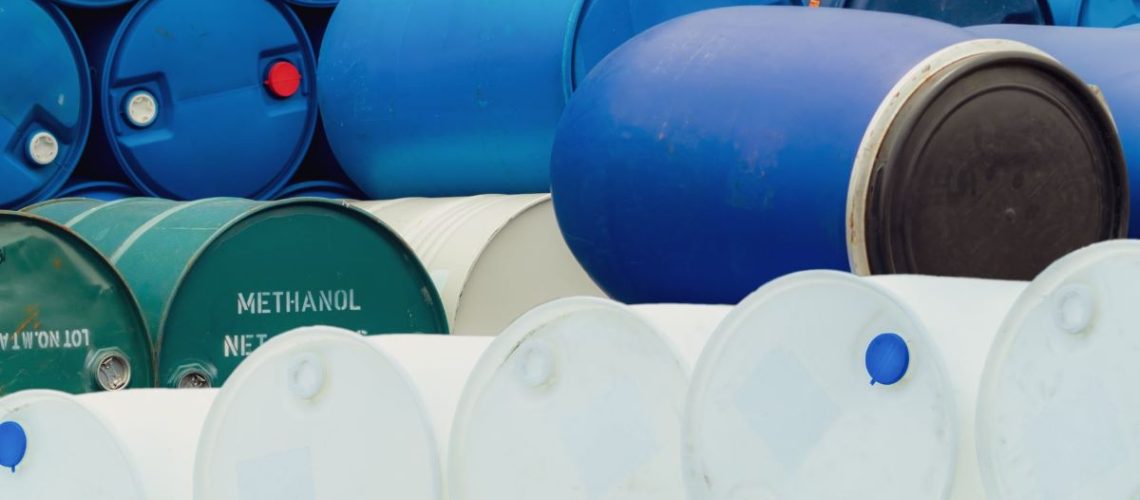
Methanol is a colorless, volatile, flammable liquid used primarily as a solvent, antifreeze, and fuel. It is one of the most widely used chemicals in the world, with an estimated global production of 100 million tons per year. Methanol is derived from natural gas or coal and is a key component in the production of a wide range of products, including formaldehyde, acetic acid, methyl tert-butyl ether (MTBE), and dimethyl ether (DME).
Methanol is commonly used as a fuel additive to increase octane levels and reduce emissions. It is also used as a fuel in its pure form in certain applications, such as racing cars and boats, and as a cooking fuel in certain parts of the world. Methanol is also used as a feedstock for the production of other chemicals, such as olefins and formaldehyde.
Methanol Market Overview
The global methanol market is expected to grow at a CAGR of 4.5% over the forecast period of 2021-2026. The market is primarily driven by the increasing demand for methanol in the automotive and construction industries. Methanol is used as a fuel additive in gasoline and diesel engines to reduce emissions and improve performance. It is also used in the production of formaldehyde, which is used to manufacture adhesives, coatings, and resins.
The Asia-Pacific region is the largest consumer of methanol, accounting for more than 50% of the global demand. China is the largest producer and consumer of methanol in the world, followed by the United States and Europe. The growing demand for methanol in China is driven by the country’s increasing use of methanol as a fuel and feedstock in the chemical industry.
Methanol Production
Methanol can be produced from a variety of feedstocks, including natural gas, coal, biomass, and even carbon dioxide. The most common method of producing methanol is through the steam reforming of natural gas. The process involves reacting natural gas with steam and a catalyst to produce synthesis gas, which is then converted to methanol.
Methanol can also be produced from coal through gasification. The coal is heated in the presence of oxygen and steam to produce a gas mixture called syngas, which is then cleaned and processed to produce methanol. This process is less common than steam reforming, but it is an important source of methanol in China, where coal is abundant.
Methanol can also be produced from biomass, such as wood, agricultural waste, and municipal solid waste. The process involves heating the biomass in the presence of oxygen to produce a gas called producer gas, which is then cleaned and processed to produce methanol. This process is still in the early stages of development but has the potential to become an important source of renewable methanol.
Methanol Uses
Methanol has a wide range of uses, including:
Fuel: Methanol is used as a fuel in certain applications, such as racing cars and boats, and as a cooking fuel in certain parts of the world.
Fuel Additive: Methanol is commonly used as a fuel additive to increase octane levels and reduce emissions.
Chemicals: Methanol is used as a feedstock for the production of a wide range of chemicals, including formaldehyde, acetic acid, MTBE, and DME.
Solvent: Methanol is a versatile solvent used in the production of paints, coatings, and adhesives.
Antifreeze: Methanol is used as an antifreeze in automotive and industrial applications.
Cleaning: Methanol is used as a cleaning agent in industrial applications.
Conclusion
Methanol is a versatile chemical with a wide range of applications in various industries. It is a key component in the production of chemicals, fuels, and solvents, and its demand is expected to continue to grow in the coming years. The increasing demand for cleaner fuels and renewable chemicals is driving the development of new methods for producing methanol from biomass and carbon dioxide, which could provide an important source of sustainable methanol in the future.
However, methanol is also a toxic and flammable substance, which poses risks to human health and safety if not handled properly. Therefore, it is important to ensure that the production, transportation, and handling of methanol are conducted safely and in compliance with local regulations and standards.
In conclusion, the methanol market is a dynamic and growing industry that plays an important role in various sectors of the global economy. Its versatility, as well as its potential for sustainable production, make it an important chemical for the future. However, it is important to continue to develop and implement safe and sustainable methods for producing and using methanol to ensure its continued success in the years to come.


